
Your Trusted Automatic Blister Packaging Machine Manufacturer in China | CE Certified
Leveraging years of industry experience, Qualipak custom-designs high-performance automatic blister packaging machine solutions for diverse sectors, including pharmaceuticals, food, medical devices, and more. We strictly adhere to international CE standards, ensuring seamless transitions from flexible small-batch runs to high-capacity mass production. Our superior design guarantees rapid mold changeovers, precise sealing, and full compatibility with a wide range of materials such as PVC, PVDC, PETG, and Alu-Alu. Choose Qualipak to experience global quality from China, and achieve efficient, stable, and cost-effective packaging upgrades.
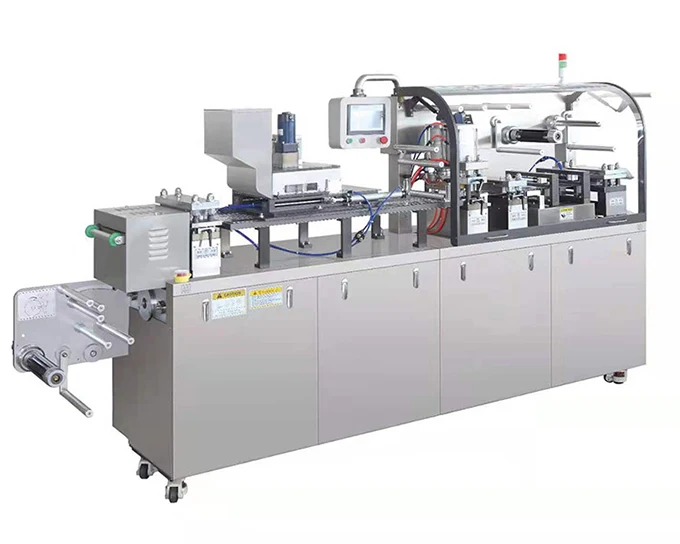
Our Blister Packaging Machines for Different Industries
At Qualipak, we understand that each industry has unique product specifications and packaging challenges. Our high-performance, CE certified blister machines are custom-engineered to deliver precise, efficient, and compliant solutions. Explore how Qualipak empowers your specific sector with tailored packaging excellence.

Pharmaceuticals & Healthcare
Ensure peak drug integrity and regulatory compliance. Our precision blister packaging secures tablets, capsules, vials, and sterile medical devices, offering robust protection and meeting all industry standards.

Food & Confectionery
Maximize freshness and irresistible appeal for chocolates, gummies, snacks, and single-serve condiments. Our blister machines provide airtight protection, safeguarding flavor and hygiene, while enhancing display and offering convenient portioning.
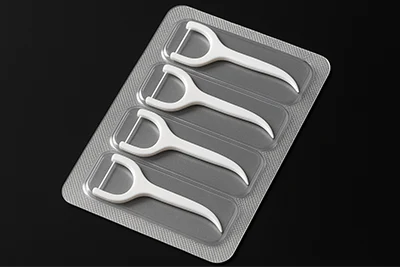
Cosmetics & Personal Care
Elevate brand prestige and safeguard product integrity for cosmetic samples, travel-size essentials, and hygienic single-use masks. Our blister packaging delivers elegant, leak-proof protection, preserving delicate formulas while maximizing shelf appeal.
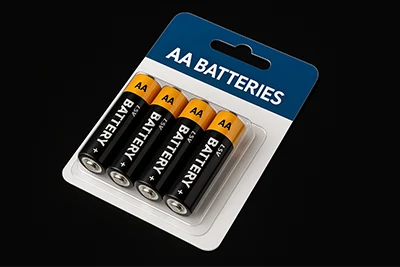
Electronics & Small Hardware
Secure sensitive electronics like USB drives and memory cards, along with critical small hardware components. Our precision blister packaging delivers robust, tamper-evident protection, prevents loss, and maximizes retail appeal with crystal-clear product visibility.
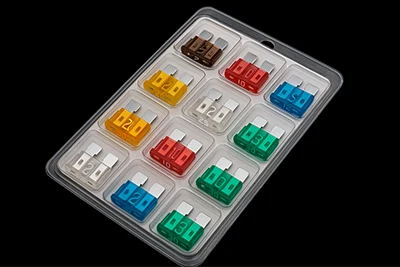
Automotive Parts
Safeguard critical automotive components such as sensors, fasteners, and electrical connectors. Our precision blister packaging delivers robust, tamper-evident protection, preventing damage and loss. It also enhances brand perception and facilitates quick identification with clear visibility, from warehouse to service bay.
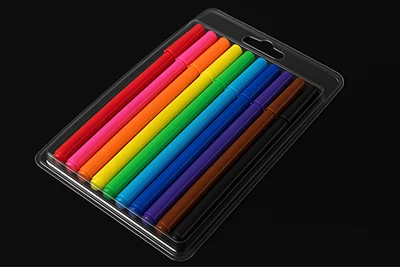
Toys & Stationery
Safeguard small toys, action figures, craft kits, and delicate stationery items such as pens, erasers, or small tools. Our robust, crystal-clear blister packaging delivers tamper-evident protection, preventing damage, loss of small parts, and pilferage. It also significantly enhances retail appeal and simplifies product identification, ensuring a professional presentation from factory to shelf.
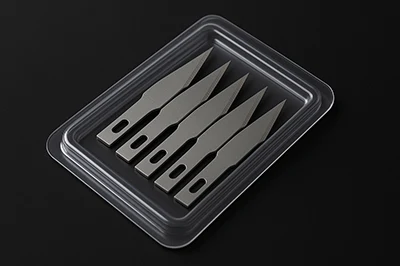
Agriculture & Horticulture
Ensure the viability of seeds, protect delicate bulbs, and secure small gardening tools or accessories. Our robust, clear blister packaging delivers tamper-evident protection, preventing moisture damage and loss. It also enhances retail appeal and product identification with crystal-clear visibility, from nursery to garden center.
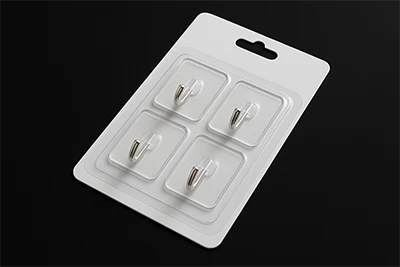
Cleaning & Household Goods
Secure cleaning tools, household essentials, and small consumables like razor blades, air fresheners, or batteries. Our robust, clear blister packaging delivers tamper-evident protection against damage, leakage, and pilferage, while maintaining hygiene. It also significantly enhances retail presentation and product identification, building consumer confidence from factory to home.
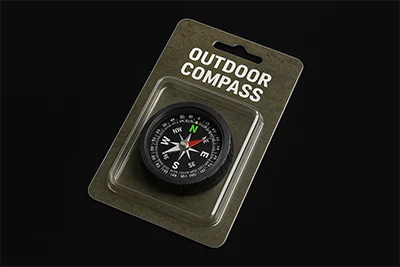
Sporting Goods & Outdoor Accessories
Protect vital sporting goods and outdoor accessories like fishing lures, bike repair kits, or specialized components. Our robust, transparent blister packaging offers superior protection against damage, loss of small parts, and environmental exposure, ensuring product integrity for your active customers. It also provides clear visibility, enhancing retail appeal and simplifying product identification, reinforcing brand trust and readiness for adventure.
Why Choose Qualipack for Blister Packaging Machine
At Qualipak, we engineer automatic blister packaging machines for stable forming, consistent sealing, and production-grade uptime. Our team supports the full project cycle, including line evaluation, tooling design, factory acceptance testing, and commissioning. You get faster ramp-up, clearer documentation, and responsive after-sales support for reliable daily output.
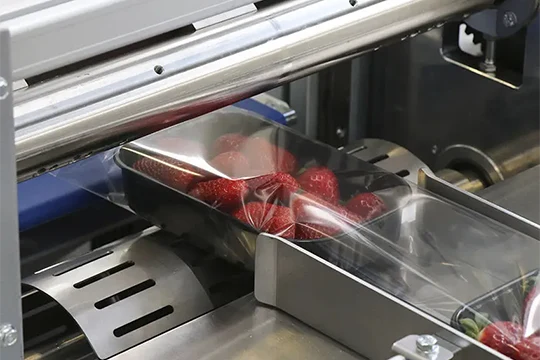
Unmatched Efficiency
High-speed forming and reliable sealing keep output steady shift after shift. Servo-driven motion control reduces scrap, film waste, and downtime. Fast changeover tooling supports more SKUs per line without slowing throughput.
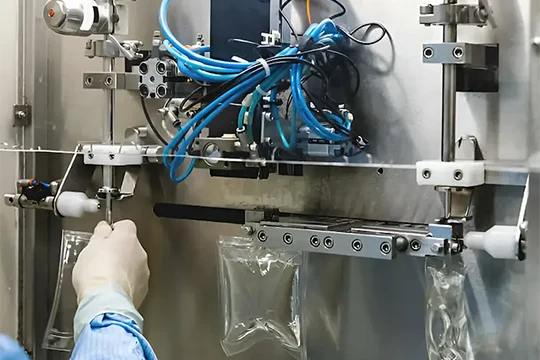
Versatility at Its Best
Run the materials your market demands, including PVC, PVDC, PET, aluminum foil, and paper-based lidding. Adjustable tooling supports a wide range of blister sizes, cavity depths, and product shapes. Quick format changeovers keep your line flexible for small pilot runs, multi-SKU production, and scaling volumes.
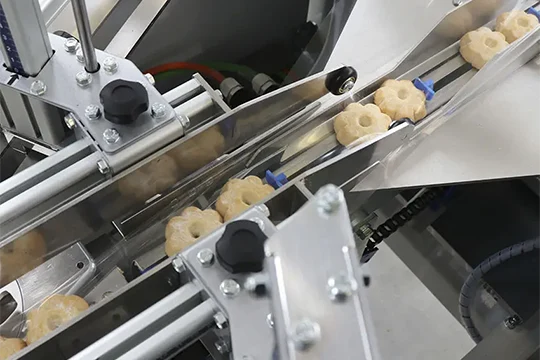
Precision and Consistency
Closed-loop control keeps forming temperature, dwell time, and sealing pressure stable for repeatable packs. Accurate indexing and synchronized feeding reduce misfeeds, skew, and scrap across long runs. In-line inspection options help you catch defects early and maintain batch-to-batch quality.
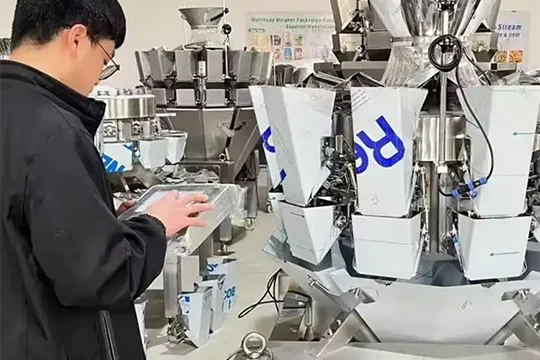
User-Friendly Operation
A clear HMI and guided recipes shorten training time and keep daily setup predictable. Tool-less adjustments and quick-access maintenance points reduce stops during changeovers. Seamless line integration supports upstream feeding and downstream cartoning for a smoother workflow.
Product Line: Find the Right Blister Machine Type
Choose the blister packaging machine type that matches your output target, material structure, and line integration needs. If you are not sure, share your blister layout and target packs per minute and our engineers will recommend the best configuration.
Intermittent Motion Blister Machines
Intermittent blister machines run in indexed cycles, which makes them ideal when you need reliable forming and sealing, precise registration, and fast format changes. This is a common choice for multi-SKU production and small-to-mid batch runs where uptime and consistency matter.
Best for:
- Multi-SKU lines and frequent format changes
- High sealing stability and clean blister appearance
- Teams that need straightforward operation and maintenance
Continuous Motion Blister Machines
Continuous blister machines are designed for stable, high-output production with smooth web handling. If your line runs long batches with fewer changeovers, continuous motion can improve efficiency and help reduce unit cost at scale.
Best for:
- High output targets and long production runs
- Lines prioritizing speed and overall equipment efficiency
- Fewer SKUs with longer batch sizes
Thermoforming Blister Machines (Alu-PVC)
Thermoforming is typically used for Alu-PVC blister packs and supports efficient forming and sealing for solid-dose products. It is widely used when you need a balanced solution for output, material cost, and packaging visibility.
Best for:
- Alu-PVC structures for tablets and capsules
- Faster forming with widely available materials
- Projects focused on cost efficiency and throughput
Cold Form Blister Machines (Alu-Alu) + Line Integration Options
Cold-form blister packaging is chosen when you need maximum barrier protection using Alu-Alu structures. Qualipak can supply a standalone blister machine or a full line with cartoner integration, helping streamline output from blistering to secondary packaging.
Best for:
- Alu-Alu packs requiring high barrier performance
- Products sensitive to moisture, oxygen, or light
- Plants that prefer a complete line: blister machine + cartoner
How an Automatic Blister Packaging Machine Works
An automatic blister packaging machine runs a repeatable web process: the forming film creates pockets, product is placed accurately, then lidding foil is sealed and the blisters are punched into finished cards. Below is a clear step-by-step overview of the standard workflow.
Step 1: Unwinding (Film and Foil Feeding)
The forming film and lidding foil are unwound under controlled tension to keep the web stable. This reduces tracking errors and helps maintain consistent registration.
Step 2: Forming (Pocket Creation)
The machine forms uniform pockets by thermoforming (Alu-PVC) or cold forming (Alu-Alu), depending on your material structure. Consistent pocket depth and shape improves product placement and seal integrity.
Step 3: Feeding (Product Placement)
Tablets, capsules, or components are fed into the formed pockets using a matched feeding system. Accurate placement helps prevent missing product, double drops, and pocket damage.
Step 4: Sealing (Heat/Pressure and Registration)
Lidding foil is sealed to the formed web with controlled temperature, pressure, and alignment. This is the key step that determines seal strength, leak resistance, and pack appearance.
Step 5: Coding (Batch, Expiry, and Traceability)
Batch codes, expiry dates, or other traceability marks can be applied inline before final cutting. Clear coding supports compliance and reduces rework at packing inspection.
Step 6: Punching / Cutting (Final Blister Card Output)
The web is punched or cut into finished blister cards based on your layout and perforation requirements. Clean cutting helps reduce burrs, deformation, and downstream jams.
Step 7: Reject / Counting (Quality Control and Handling)
Optional checks can trigger rejects, while counting and stacking support smooth transfer to cartoning or secondary packaging. This step helps keep defective packs out of shipment and improves line efficiency.
Send your blister drawing, material structure (Alu-PVC or Alu-Alu), and target output, and we will recommend the right configuration.
Tooling and Customization for Your Blister Pack
Qualipak is a blister packaging machine manufacturer with in-house engineering for tooling and format development. We do not just supply a standard machine; we help you engineer the blister layout, feeding method, and changeover strategy so the line can scale with your product portfolio.
Blister Layout Engineering (Cavity Design and Index Pitch)
We engineer blister layouts based on your product dimensions, pack requirements, and target output. This includes cavity arrangement, pitch/index logic, web utilization, and cutting/perforation planning to balance speed, material use, and downstream handling.
Deliverables:
- Blister layout proposal (cavity arrangement + pack size)
- Index pitch recommendation and cycle logic
- Cutting/perforation plan aligned with cartoning or manual packing
- Tooling concept aligned to your forming and sealing process
Feeding Options (Matched to Your Product)
Feeding performance defines real output and reject rate. We configure feeding based on product type and stability so tablets, capsules, or irregular components are placed accurately without chipping, jams, or missing product.
Options we support:
- Tablets and capsules (standard solid-dose feeding)
- Irregular shapes / fragile pieces (stabilized handling strategy)
- Component packs (medical or consumer components, as applicable)
Deliverables:
- Recommended feeding approach based on sample/specs
- Risk points checklist (bridging, dust, static, fragility)
- Suggested trials plan for verification before production
Format Parts Strategy (Quick Changeover and Spares)
Format changeovers should be repeatable, not trial-and-error. We design format parts with clear positioning references and a spares strategy so your line can switch SKUs quickly and stay supported over time.
Key points:
- Quick-change format parts and clear setup references
- Positioning/alignment logic to reduce re-adjustment time
- Spares and wear parts plan aligned to your maintenance schedule
Deliverables:
- Format parts list by SKU family
- Recommended spare parts kit (wear parts + critical items)
- Changeover checklist for operators and maintenance
Send your layout and target output. We will propose the tooling direction, feeding option, and changeover plan.
What Our Customers Said About Us
Teams choose Qualipak because the machines run steady, change formats fast, and the support is easy to reach when it matters.
We needed a line that could handle small pilots and then ramp up without drama. Qualipak sized the tooling to our tablets, and the seals have been solid since day one.
Install was clean. Our crew learned the HMI in an afternoon and we’re swapping formats in minutes. Exactly what we hoped for.
The PETG trays look sharp on retail cards and we’ve had fewer reworks. Their team picked up the phone whenever we had a question.
We tied the blister machine into our cartoner and MES. Lot codes, vision checks—no fuss. Output is up, waste is down.
Passed IQ/OQ/PQ on schedule. UDI printing and seal checks are now part of our routine. Good documentation, no surprises.
Tell us your product, blister format, and output target.
Our engineers will propose the right machine configuration and tooling plan, then quote clearly on lead time, scope, and spares.